


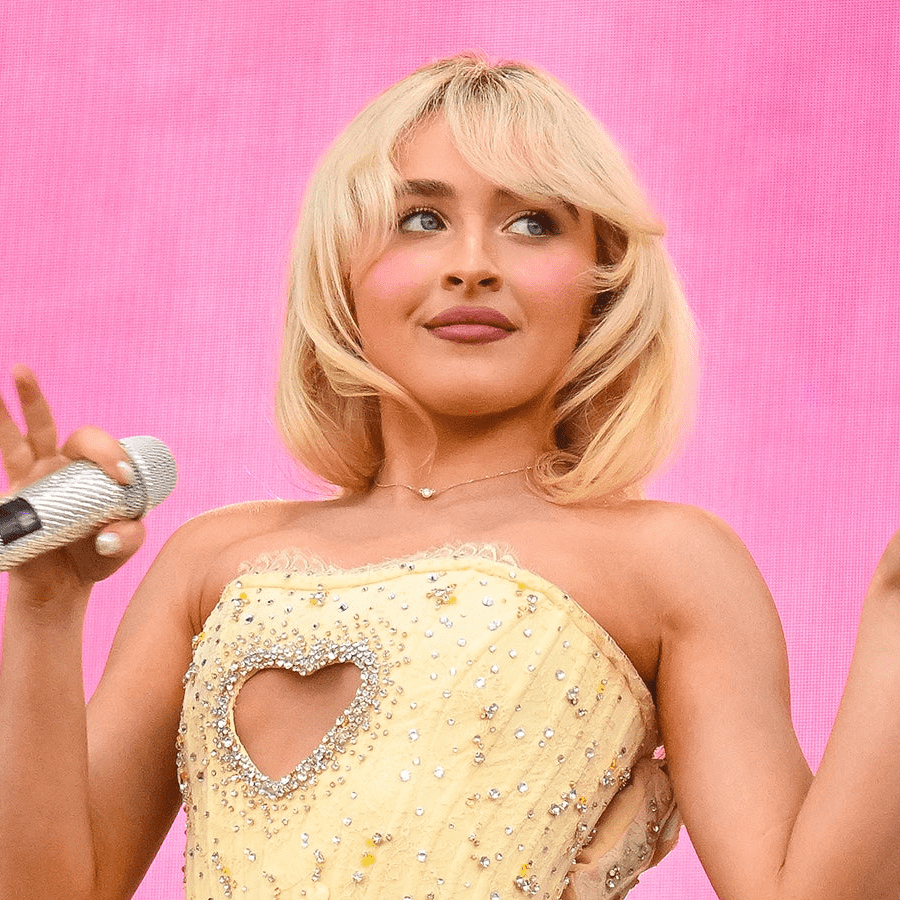


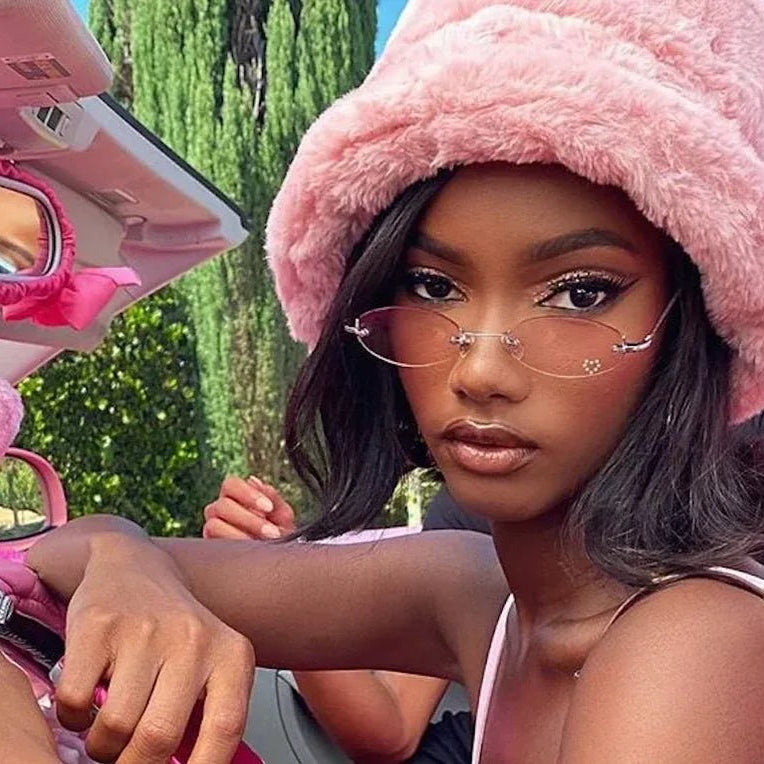


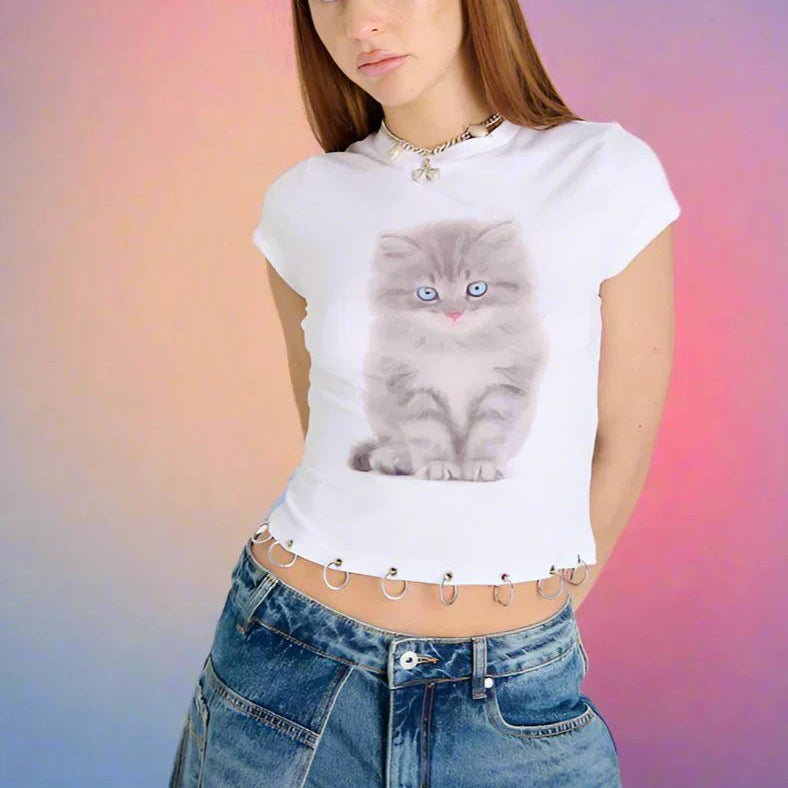
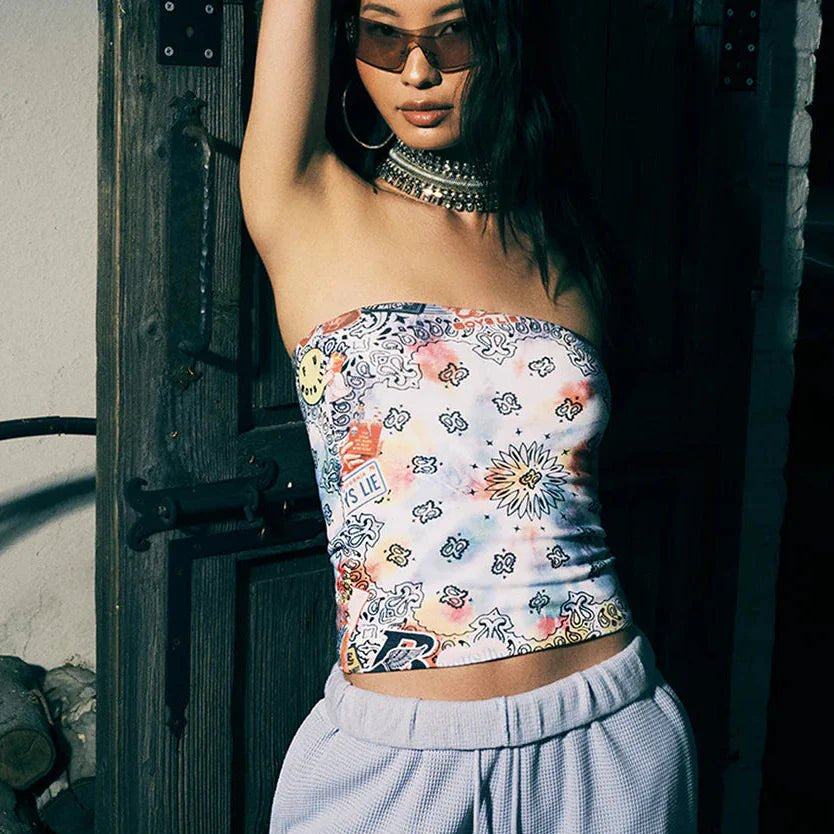
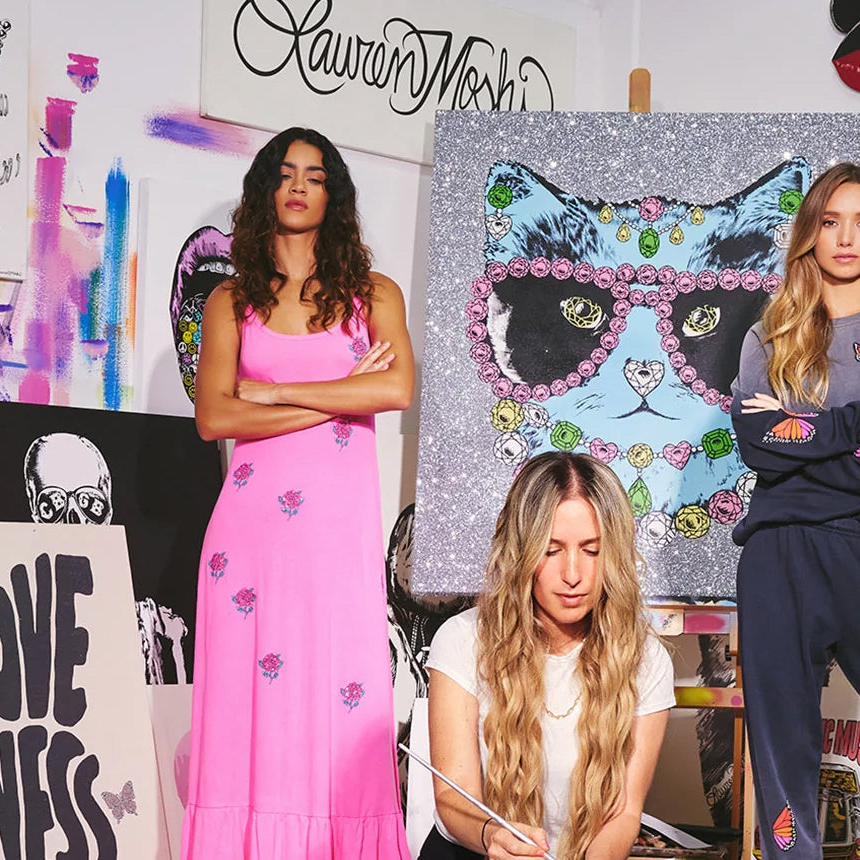

If you’ve ever spotted a Boys Lie hoodie, fallen in love, then clocked the price and thought, why is Boys Lie so expensive? - you’re not being dramatic. It is pricey. But with cult US streetwear, the answer is rarely just “because of the logo”. You’re paying for a mix of limited-brand energy, premium fabrication, trend power, and the fact that labels like this sit miles away from throwaway fast fashion.
Boys Lie isn’t trying to be basic, budget loungewear. It’s selling attitude, scarcity, and a very specific off-duty LA aesthetic that people actively hunt for. That matters, because in fashion, price is never only about the fabric. It’s also about who wants it, how hard it is to get, and how replaceable it feels once it’s gone.
Why is Boys Lie so expensive? The short answer
The short version is this: Boys Lie sits in the premium streetwear lane, not the mass-market one. Its pricing reflects smaller production runs, branded design identity, heavyweight comfort-led pieces, and the kind of social buzz that keeps demand high.
It also helps that the brand has built a strong emotional appeal. Boys Lie doesn’t just sell hoodies and joggers. It sells heartbreak-core, main-character loungewear, oversized silhouettes, and the kind of graphic sweats that look like they belong on a paparazzi shot outside a juice bar in Los Angeles. That branding has value because people are buying into a mood as much as a garment.
It’s a niche brand, not a high-street basic
One of the biggest reasons Boys Lie costs more is that it isn’t made for the same market as a standard high-street sweatshirt. Big chain retailers can keep prices low because they produce huge volumes, simplify design, and chase scale above all else. Boys Lie plays a different game.
Niche streetwear brands often operate with tighter runs, stronger design direction, and a more selective retail presence. That instantly pushes costs up. If a brand isn’t making tens of thousands of identical hoodies for every market, it loses the cost advantages that mass retailers rely on.
For shoppers, that means you’re not comparing like for like. A Boys Lie hoodie isn’t priced against a supermarket sweatshirt. It’s priced against other premium, cult, hard-to-find labels that trade on exclusivity and brand identity.
The fabric and fit are part of the appeal
Let’s be honest - if a premium hoodie feels flimsy, people notice immediately. Part of Boys Lie’s appeal is that the pieces are designed to feel substantial. Oversized hoodies and sweatshirts in this space tend to use heavier cotton blends, softer brushed interiors, and cuts that are meant to drape in that expensive, borrowed-from-him-but-better way.
That kind of fit is harder to get right than it looks. A genuinely good oversized silhouette needs shape. Too boxy and it looks sloppy. Too long and it swamps you. Too thin and it loses that luxe streetwear feel. When shoppers rave about a hoodie “just hitting right”, they’re usually reacting to pattern cutting, wash, weight and finish - not just the print on the front.
That doesn’t mean every single penny of the price is explained by materials alone. It usually isn’t. But quality and fit do form part of the premium positioning, especially in loungewear and streetwear where comfort is the whole point.
Hype changes what people will pay
Streetwear pricing has always been tied to hype. Once a brand becomes culturally relevant, the price starts reflecting desire as much as production. Boys Lie has nailed a very current mix: breakup energy, ironic confidence, oversized loungewear, celebrity-adjacent styling, and that social-media-ready look that feels effortless but very much isn’t.
That kind of visibility matters. If a brand is showing up across TikTok, Instagram, celeb wardrobes and fashion edits, it stops being just another label. It becomes a piece of fashion shorthand. People know what it says about your style before you even explain it.
And once that happens, pricing power shifts. Brands with a strong image can charge more because customers aren’t only buying a hoodie. They’re buying recognition, mood, and a look that feels plugged into the right corner of fashion culture.
Limited availability pushes prices up
Scarcity is a huge part of the answer to why Boys Lie is so expensive. The brand feels exclusive because, in many cases, it is. Limited drops, selective stockists, and sell-through on popular styles all create a sense that if you hesitate, you miss out.
That changes shopping behaviour. When shoppers know a style won’t sit around forever, they’re more willing to pay full price. It also reduces the pressure on the brand to compete with discount-heavy retailers.
There’s a practical side to this too. Smaller, more exclusive buys often cost more per unit to produce and distribute. But there’s also a perception side. Fashion people will often pay more for something they know won’t be everywhere by next week.
Import and distribution matter in the UK
For British shoppers, US brands nearly always feel more expensive than they do at first glance. Even when a label is priced normally within the American premium market, getting it into the UK adds layers of cost. There’s shipping, currency fluctuation, taxes, duties, and the general expense of importing niche fashion across the Atlantic.
That’s especially true for brands that aren’t stocked everywhere. If a label has limited UK distribution, the retail price can reflect the reality of bringing in smaller quantities rather than huge commercial volumes.
This is why US cult brands can look expensive compared with local high-street names. You’re not just paying for the item. You’re paying for access. And if you’re buying through a UK boutique that’s already handled the import side, you’re also paying for the convenience of avoiding all the hidden faff that can come with ordering direct from abroad.
Branding is doing a lot of heavy lifting
Boys Lie is one of those brands where the identity is the product. That’s not a criticism - it’s the whole point. The graphics, slogans, mood, and styling all feed into a very specific world. It’s emotionally charged, a bit chaotic, very online, and completely aware of its audience.
That sort of branding takes work. It requires consistency, strong creative direction, and enough clarity that customers instantly recognise the vibe. In premium fashion, that brand equity becomes part of the value. If a piece feels iconic to the customer, the price starts to make more sense to them.
Of course, if you’re someone who only cares about plain basics and cost-per-wear, you might not buy into that at all. And that’s fair. Boys Lie isn’t really aiming at the shopper who wants invisible essentials. It’s for people who want their loungewear to say something.
Is Boys Lie actually worth it?
That depends on what you value. If you want the cheapest possible hoodie, then no - it probably won’t feel worth it. You can absolutely find lower-priced alternatives. But they won’t give you the same label recognition, design identity, or exclusivity.
If you care about niche streetwear, statement off-duty styling, and pieces that feel harder to find, the price can make more sense. Especially if you’re the kind of shopper who would rather buy one standout hoodie than three forgettable ones.
The better question is whether you’ll wear it enough to justify the spend. Boys Lie tends to work best for shoppers who live in oversized sweats, style loungewear as outerwear, and want that premium US-girl aesthetic without looking too polished. If that’s your lane, the cost often feels easier to defend.
What you’re really paying for
At its core, Boys Lie is expensive because it sits at the intersection of fashion and fandom. You’re paying for premium casualwear, yes, but also for limited-brand appeal, cultural cachet, and a look that feels more insider than mainstream.
That mix is powerful. In a market full of copy-paste sweats and trend churn, brands that create a recognisable point of view can charge more because they give shoppers something harder to fake - identity.
And that’s really the answer. Boys Lie costs what it does because it isn’t trying to be everyone’s hoodie. It’s trying to be the hoodie you obsess over, screenshot, and wear on repeat when basic just isn’t the mood. If you want that kind of energy without the headache of ordering direct from the US, that’s exactly why curated boutiques like Spoiled Brat exist.
