



If you’ve ever filled a basket at urban outfitters only to pause at checkout and think, is this actually worth the spend, you’re not alone. The brand still has serious cool-girl recognition, but UK shoppers are savvier now - and a logo, a vinyl section and a few cute cargos are no longer enough to justify premium pricing.
Urban Outfitters built its reputation on being the place for trend-led fashion with an indie edge. It sold a whole lifestyle, not just clothes. You went there for oversized graphic tees, party dresses, low-rise denim, bedroom accessories, gifts, beauty bits and whatever look was dominating Tumblr, then Instagram, then TikTok. That mix is still part of the appeal, but the fashion market has changed fast. Shoppers want exclusivity, better quality, and pieces that don’t feel copied and pasted across every feed.
Why Urban Outfitters still has pull
Let’s be fair - the brand knows how to sell a vibe. Urban Outfitters is good at making fashion feel cultural. It doesn’t just put products on a page. It packages a mood around music, nightlife, nostalgia and youth style, which is why it has stayed relevant longer than a lot of trend retailers from the same era.
For a certain shopper, that convenience matters. If you want one place where you can pick up a slouchy knit, a going-out top, some trainers, candles for your flat and a novelty gift for your mate, it does the job. The styling is strong, the product photography usually lands, and it’s good at spotting silhouettes that are about to go big - baggy jeans, baby tees, utility skirts, sheer layers, retro sportswear and Y2K accessories.
It also wins on familiarity. A lot of shoppers know exactly what they’re getting from Urban Outfitters aesthetically. That matters when you want something easy, current and wearable without spending hours hunting through random sites.
Where urban outfitters starts to lose its shine
The biggest issue is that the brand sits in an awkward middle ground. It’s not bargain-fast fashion, but it’s not true premium either. Prices can creep up quickly, especially when you’re buying basics or trend pieces that may only live in your wardrobe for one season.
That’s where expectations rise. If you’re paying more for a hoodie, a dress or a pair of jeans, you want quality to match. Sometimes it does. Sometimes it really doesn’t. Fabric can feel thinner than expected, fits can be inconsistent, and certain pieces look stronger online than they do when they land at your door.
That inconsistency is what puts people off. One month you’ll find a great jacket you wear on repeat. The next, you’ll order a top that feels overpriced the second you open the parcel. It’s not that everything is bad - it’s that the hit rate can feel unpredictable.
There’s also the exclusivity problem. Urban Outfitters used to feel like a style insider destination. Now, because trends move faster and social media spreads everything instantly, a lot of the product offer can feel less unique. If everyone is wearing the same micro trend, it stops feeling personal. And for girls who want their wardrobe to say more than I saw this on my FYP, that matters.
Style-wise, what does Urban Outfitters do best?
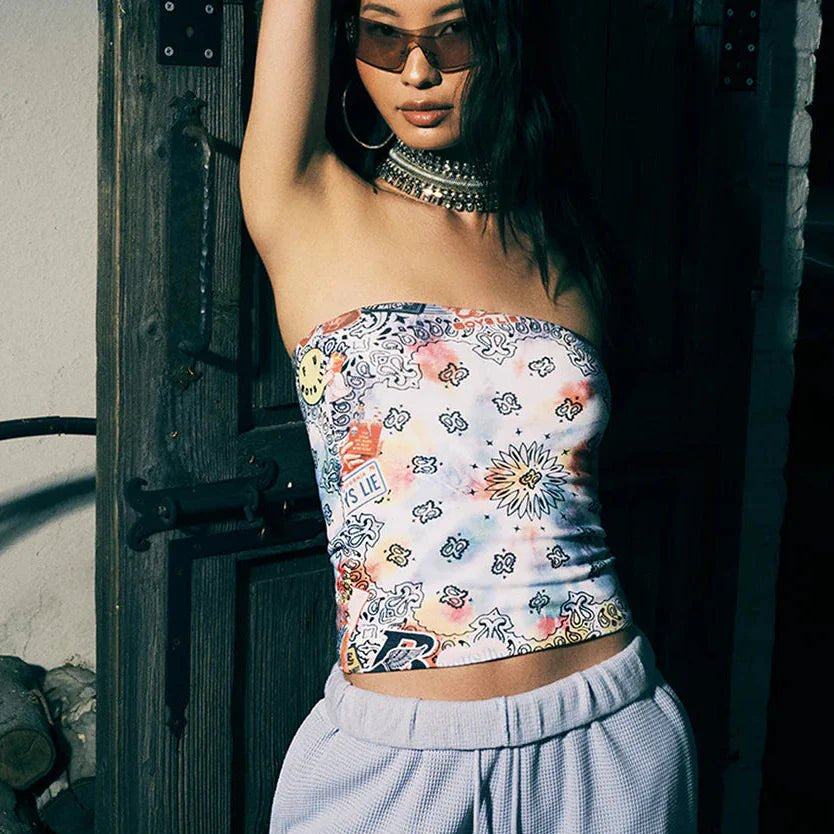
Its sweet spot is still trend-heavy casualwear. Think oversized hoodies, loose denim, cropped knits, co-ords, varsity references, mini dresses and those in-between pieces you throw on when you want to look styled without looking like you tried too hard. It’s strong on the kind of wardrobe that photographs well and fits neatly into a social, going-out, coffee-run, festival-adjacent lifestyle.
It also handles nostalgia well. That’s been one of its biggest strengths for years. Whether the mood is 90s grunge, noughties club energy, skater influences or soft indie sleaze, the brand knows how to remix old references in a way that still feels current enough for younger shoppers.
But if your style leans more statement, more niche, more I-want-everyone-to-ask-where-that’s-from, Urban Outfitters can start to feel a bit safe. It follows trends well. It doesn’t always lead them.
Is the quality actually good?
This is where the answer gets annoying - it depends. Outerwear, denim and selected branded pieces often perform better than the more disposable fashion categories. Some knitwear and licensed graphics can also be decent if you catch the right drop. But not every fabric or finish lives up to the price tag, especially in more trend-driven tops, dresses and occasion pieces.
The smartest way to shop there is selectively. Don’t buy into the whole lifestyle fantasy at once. Check composition. Look closely at fit notes. Be picky. Urban Outfitters works better when you treat it like a source for standout finds rather than an automatic place to build an entire wardrobe.
For UK shoppers, this matters even more because value isn’t just about aesthetics. It’s about whether a piece earns space in your wardrobe beyond one night out, one holiday, or one heavily filtered Instagram post.
Pricing and the UK shopper reality
For British customers, price sensitivity is different now. We’ve got access to more brands, more boutiques, more resale, more independent labels and more curated online stores than ever before. That means Urban Outfitters is no longer competing with just the high street. It’s competing with specialist fashion destinations that offer more personality and often a sharper edit.
That’s the real challenge. If you can spend a similar amount on a piece from a boutique that brings in harder-to-find US labels, more limited runs and more fashion credibility, the mainstream option loses some of its edge.
And that’s before we even get into sameness. When a retailer gets too broad, the edit can lose tension. You start scrolling past pages of nice-enough pieces rather than stopping at something unforgettable. Trend-aware girls know the difference immediately.
What to shop at Urban Outfitters - and what to skip
If you like the brand, it’s still worth browsing for denim, casual separates, licensed graphics, outerwear and accessories that tap into current trends without feeling too costume-y. These are usually the categories where it delivers best. You’re more likely to find something wearable, current and easy to style into your existing wardrobe.
The categories to be more cautious with are high-priced basics, ultra-trend-led going-out tops and anything where the fabric needs to do the heavy lifting. If a piece relies on luxe feel, perfect fit or premium construction, you need to be extra selective.
That’s not snobbery. It’s just smart shopping. There’s nothing iconic about paying too much for polyester that looks tired after two wears.
Urban Outfitters vs a curated boutique feel
This is the real style conversation. Urban Outfitters is broad. A curated boutique is sharper. One gives you trend access at scale. The other gives you personality.
If you’re the kind of shopper who wants easy, familiar and one-click styling, Urban Outfitters still has a place. But if you want fashion that feels more exclusive, more expressive and less likely to show up on everyone else, a tightly edited boutique experience often wins.
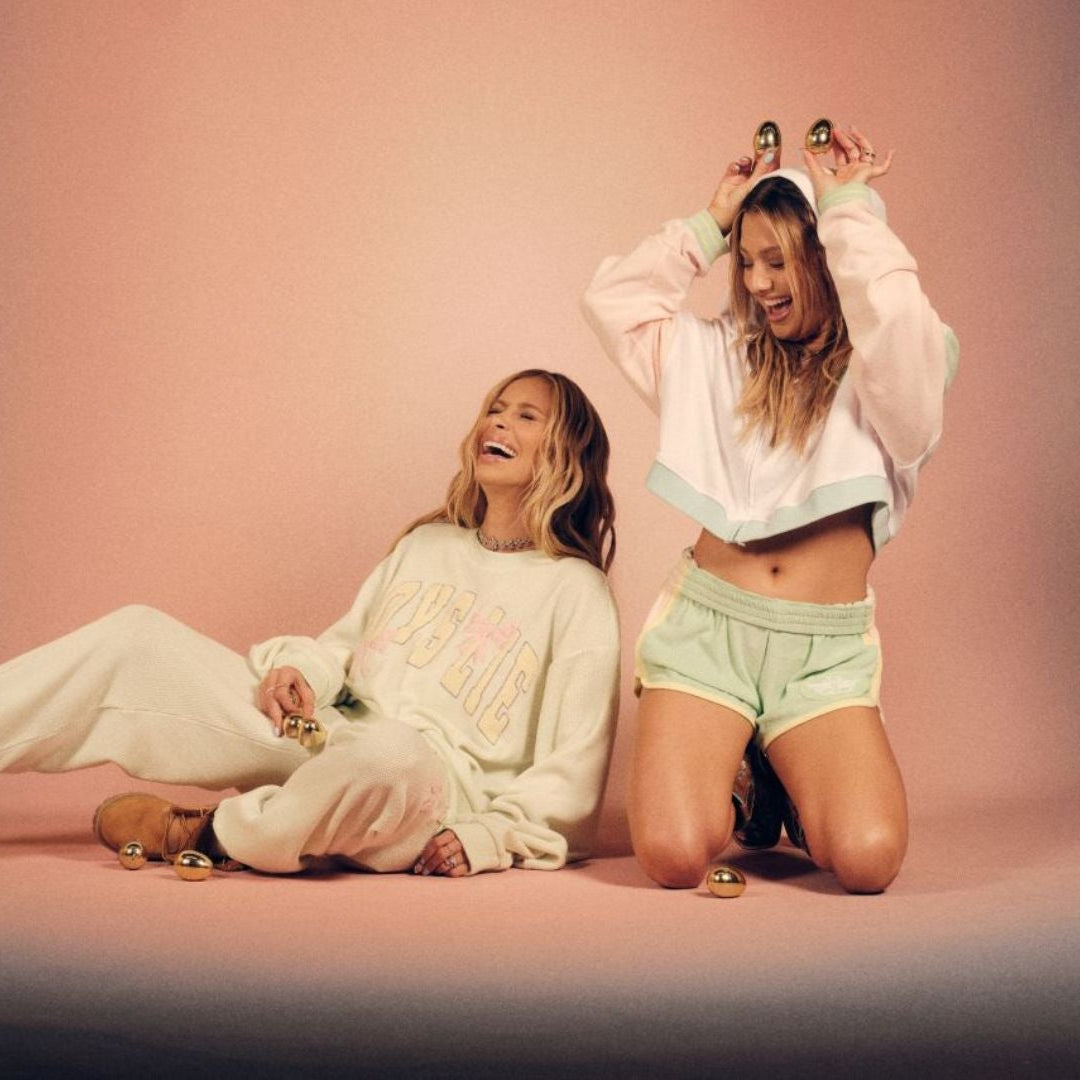
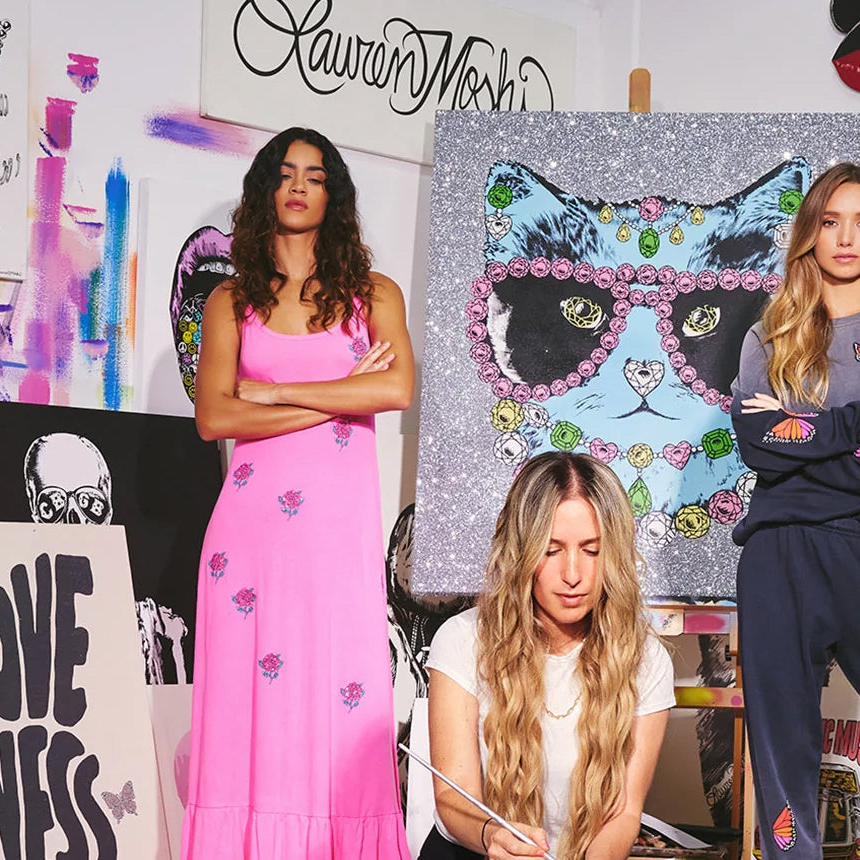
That’s especially true for US streetwear, celebrity-inspired casualwear and statement loungewear. Those categories thrive when they’re curated with attitude rather than diluted for mass appeal. It’s the difference between buying something because it’s on trend and buying something because it actually feels like you.
For girls chasing that bolder, more niche fashion energy, stores that focus on limited-edition labels, cult graphics and standout off-duty dressing will usually hit harder. That’s where the fun is. That’s where the compliments live. And honestly, that’s where your wardrobe starts looking less algorithm, more main character.
So, is Urban Outfitters still worth it?
Yes - but not blindly. It’s worth it if you shop with taste, patience and a bit of restraint. It’s good for trend pieces with broad appeal, strong casual styling and the occasional genuinely great find. It’s less convincing when prices drift upwards and the product doesn’t feel special enough to match.
The brand still understands youth culture. It still knows how to create a mood. But for UK fashion girls who want more edge, more exclusivity and less same-again styling, it might not be the final destination anymore.
That’s why the smartest shoppers use Urban Outfitters as part of the mix, not the whole story. Grab the great jeans if they’re great. Take the cute jacket if it genuinely hits. But save room in your wardrobe for pieces with more attitude, more rarity and more personality - the kind of finds that feel like a flex because not everyone knows where to get them. If that’s your lane, Spoiled Brat is where things start getting far more interesting.
