



Fashion used to trickle down from catwalks, glossy magazines and the odd It-girl moment. Now it drops straight into your feed at 11pm, blows up on TikTok by breakfast, and sells out before the group chat has agreed whether it is genius or chaotic. That is exactly how pop culture is redefining fashion - turning style into a fast-moving mix of celebrity influence, internet obsession, nostalgia and identity.
This shift matters because people are no longer dressing just for seasons. They are dressing for references. A hoodie is not just a hoodie. It is off-duty model energy, LA streetwear attitude, a throwback to 2000s paparazzi shots, or a wink to the band tee revival currently all over social media. Pop culture has made fashion more emotional, more expressive and a lot less polite.
How Pop Culture Is Redefining Fashion Right Now
The biggest change is that fashion no longer sits in its own lane. Music, film, reality TV, celebrity gossip, streaming culture, gaming and social media all feed the same style machine. If a look appears in a viral music video, on a cult TV reboot, or on a celeb caught by paparazzi outside a juice bar in Los Angeles, it can shape what people want almost instantly.
That is why trend cycles feel faster, but also more layered. We are not just seeing one dominant look. We are seeing micro-aesthetics collide - Y2K party girl, clean-girl basics, indie sleaze, balletcore, blokette, festival chaos and oversized streetwear all jostling for attention at once. Pop culture gives each of these looks a cast of characters, a mood and a story, which makes them easier to buy into.
For shoppers, that means fashion becomes less about following rules and more about picking your universe. You are not just choosing clothes. You are choosing references people instantly recognise.
Celebrity Style Still Runs the Show
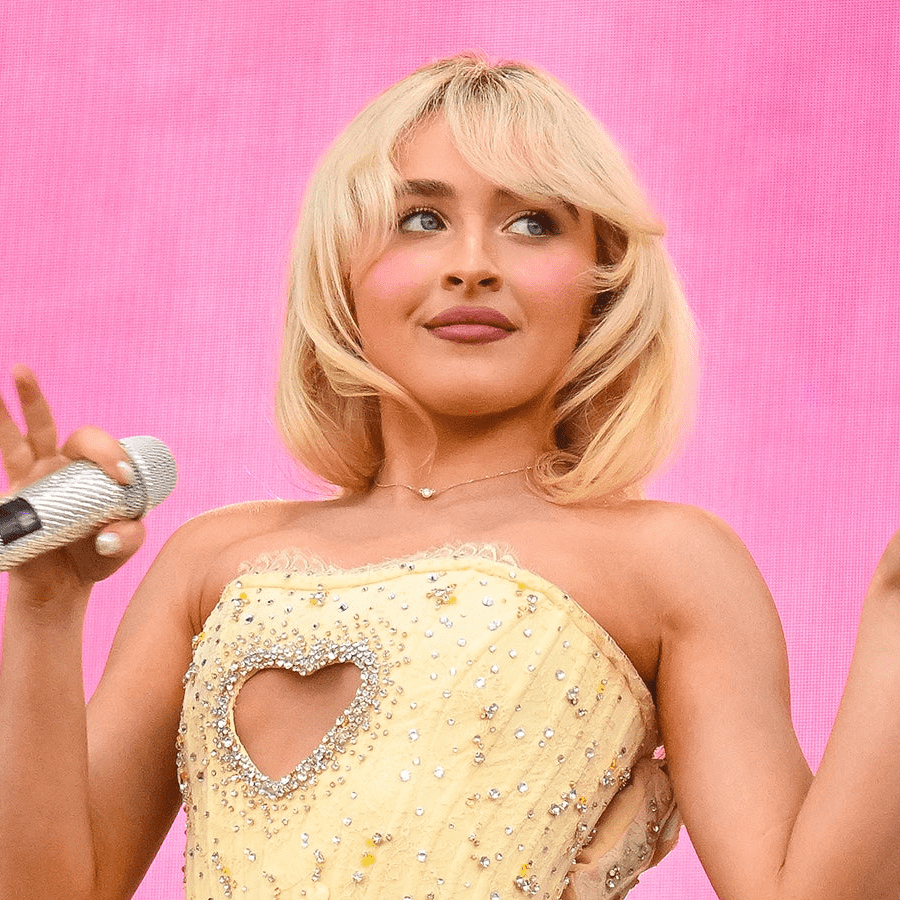
For all the noise around authenticity, celebrity style still has serious power. The difference is that it looks less polished than it used to. Gone are the days when influence came only from red carpet gowns and heavily styled magazine shoots. Now people want the airport look, the coffee-run outfit, the oversized sweatshirt worn with tiny shorts, the sporty set that looks expensive without trying too hard.
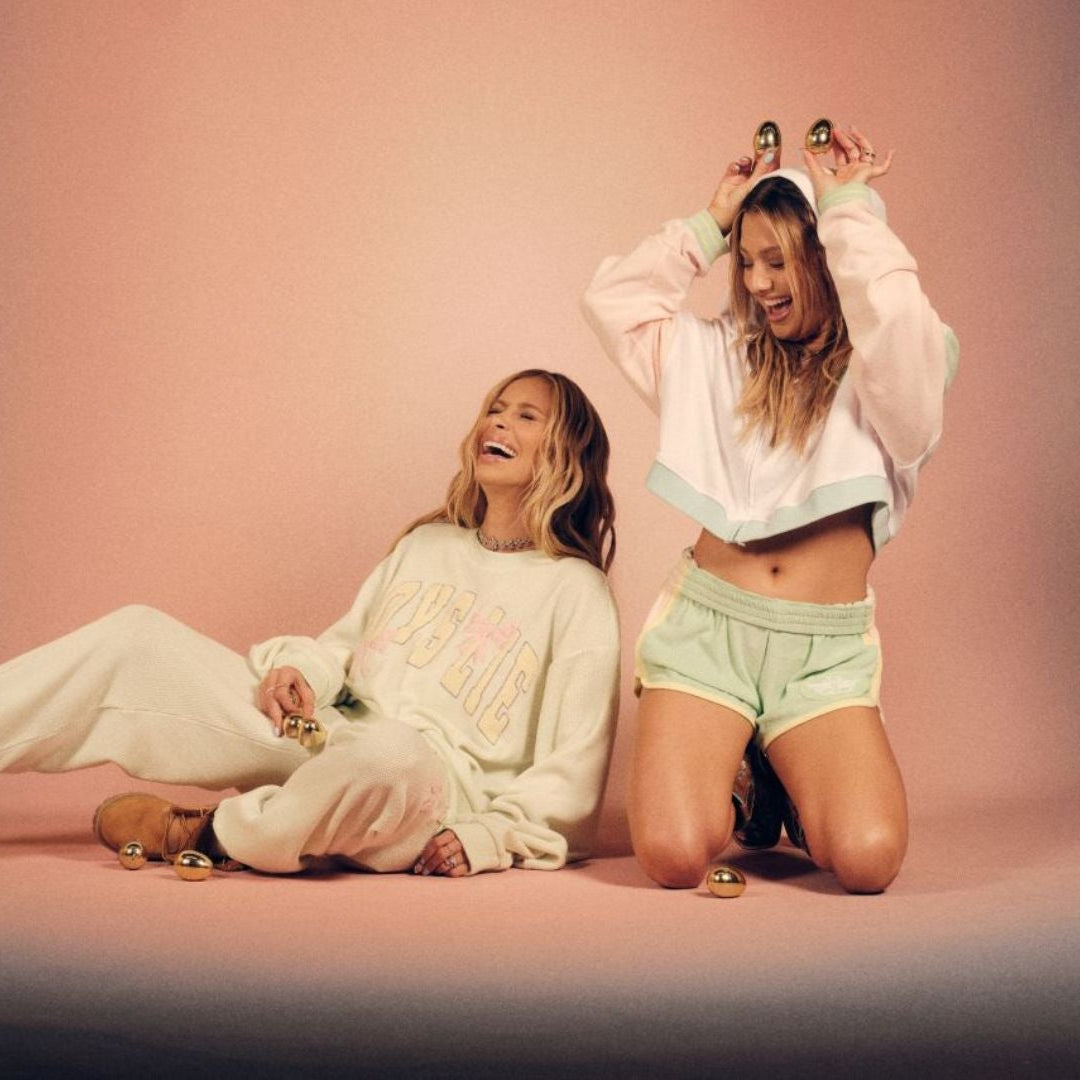
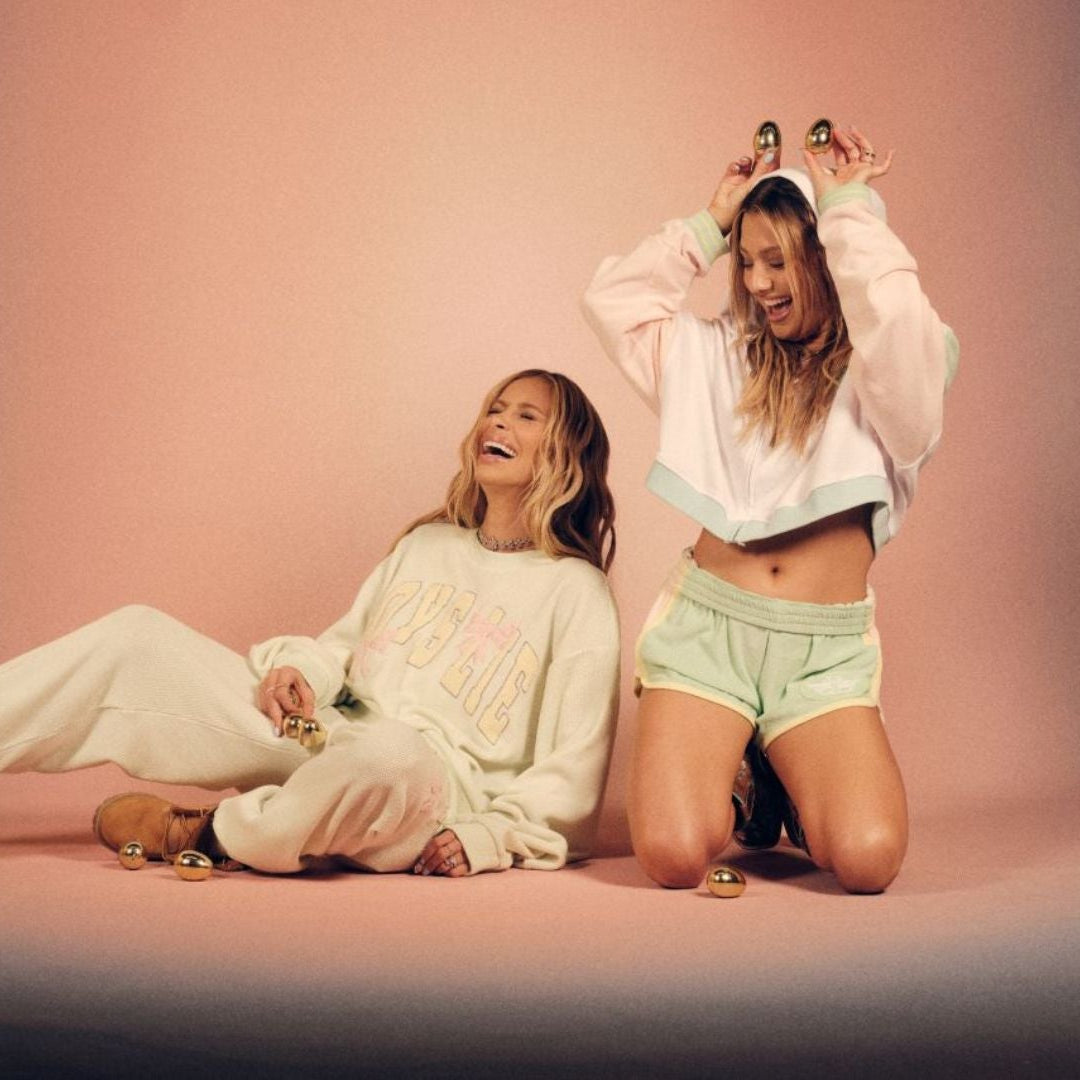
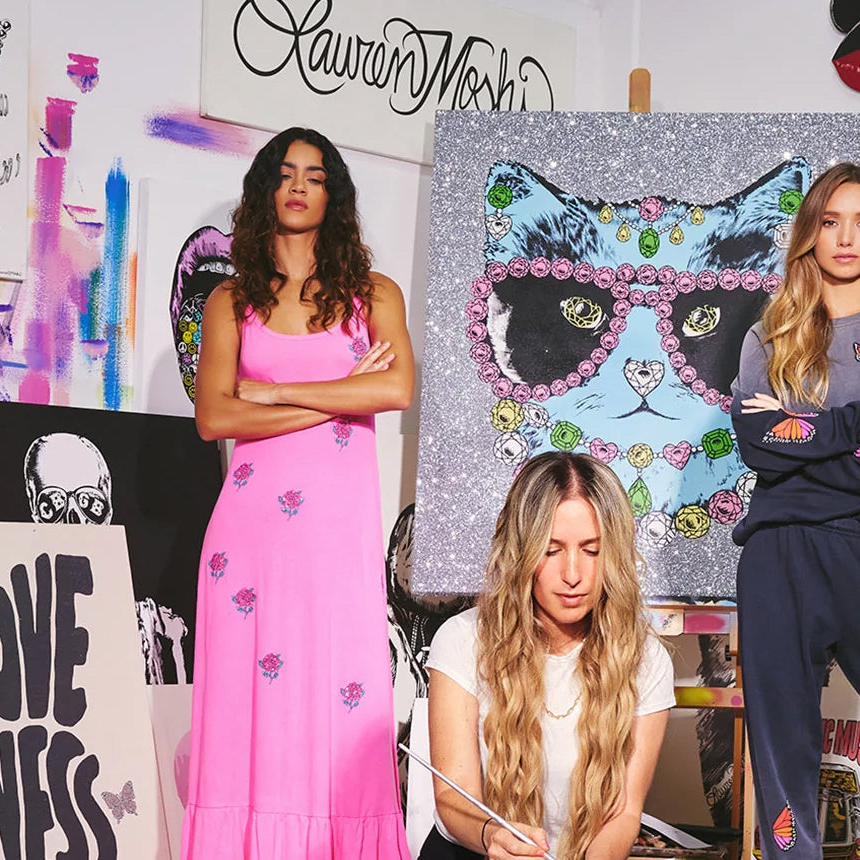
This is where streetwear and premium loungewear have become such a force. Celebrities helped normalise fashion that feels casual but still makes a statement. Graphic sweats, slouchy hoodies, varsity details, slogan tees and matching co-ords all carry that off-duty energy people actually want to wear in real life.
It also explains why limited and hard-to-find labels matter more than ever. If everyone on the high street is selling a watered-down version of a trend, the appeal shifts towards brands that feel more insider, more niche and less copied. That is part of the reason celebrity-inspired dressing now leans heavily on boutique labels, cult US names and pieces that feel discovered rather than mass produced.
TikTok Made Trends Faster - and More Personal
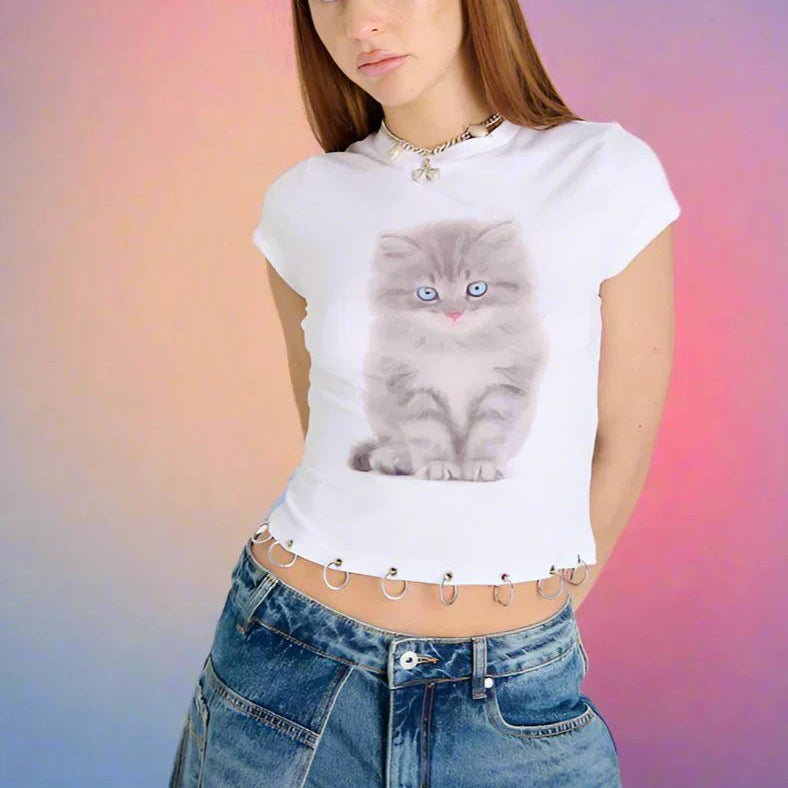
If Instagram made fashion aspirational, TikTok made it chaotic, democratic and wildly specific. A single video can turn a graphic baby tee, fold-over flares or a pair of retro trainers into the thing everyone suddenly needs. But TikTok has also changed how people interpret trends.
Instead of one polished look, users remix pieces to suit their own vibe. One girl styles an oversized hoodie with knee-high boots and silver jewellery. Another wears the same shape with joggers and chunky trainers. Someone else throws it over a micro skirt for a messy Y2K look. The point is not perfect styling. The point is personality.
That has pushed fashion away from rigid trend rules. It is less about getting the exact look and more about catching the energy of it. For brands and boutiques, that means the winning pieces are the ones with enough attitude to anchor a look but enough flexibility to be styled ten different ways.
Nostalgia Is Not Going Anywhere
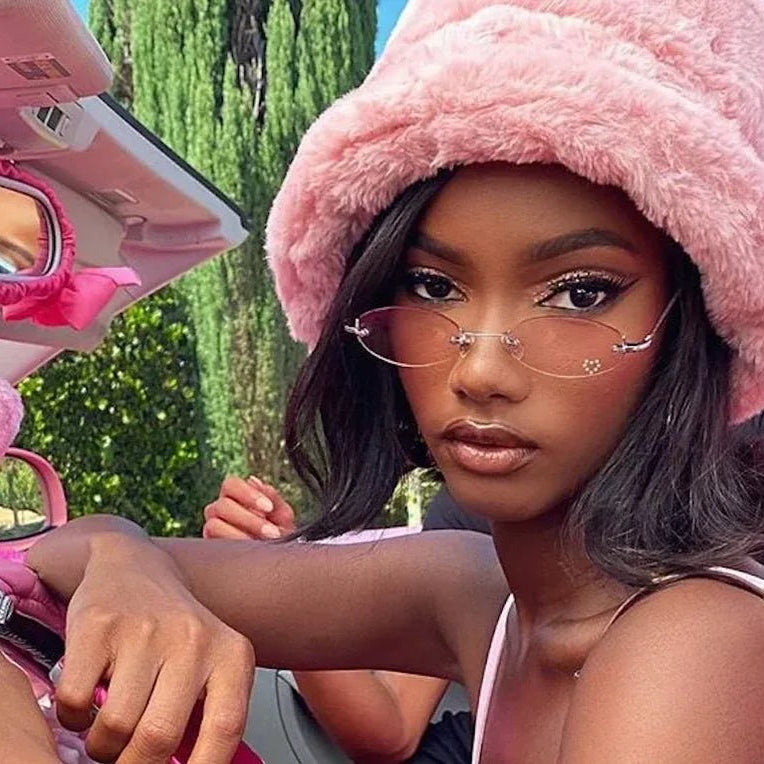
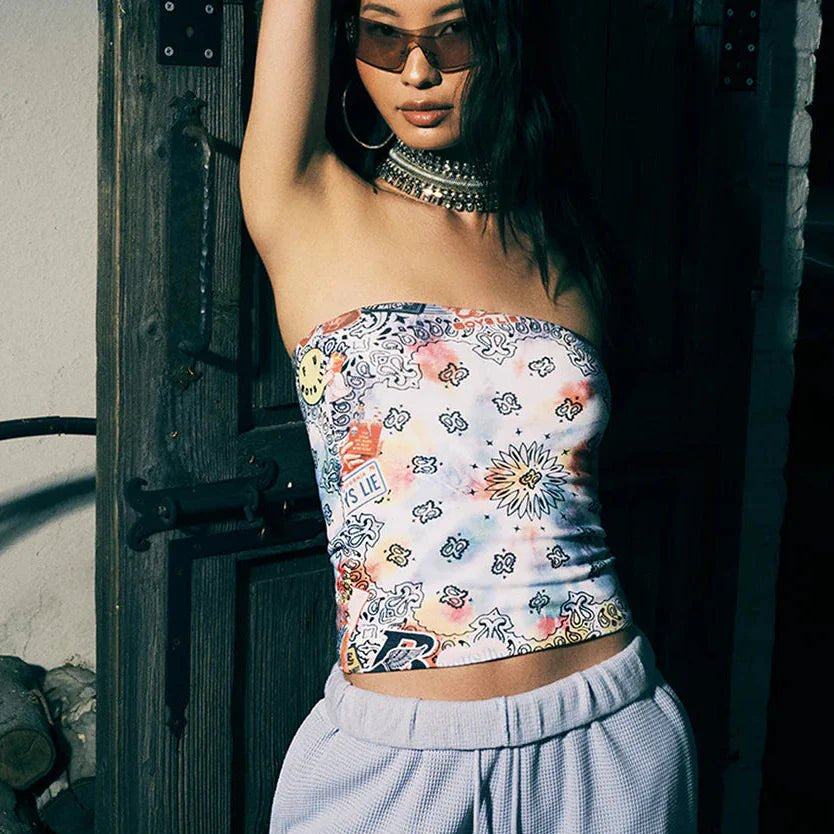
If pop culture has a favourite trick, it is bringing the past back with better lighting. Right now, nostalgia is one of the strongest forces in fashion, and it is not subtle. Y2K references are still everywhere - low-rise silhouettes, rhinestones, tiny bags, cargo trousers, shrunken tops, tinted sunglasses and all the juicy, trashy glamour that comes with them.
But nostalgia is bigger than one era. We are also seeing 90s minimalism, 80s sportswear, early 2010s indie references and vintage band graphics making a comeback. The reason these trends land so well is simple: pop culture gives them emotional context. People are not just buying a style. They are buying a memory, a mood or a version of cool they grew up seeing in films, music videos and celebrity culture.
There is a catch, though. Nostalgia only works when it feels edited. Full costume energy can look forced. The strongest outfits usually mix a throwback piece with something current - a Y2K-inspired cami under an oversized zip hoodie, or a vintage-look graphic sweatshirt with modern activewear and clean accessories. That balance keeps the look fashion-forward rather than fancy dress.
Music Merch Became Real Fashion
One of the clearest examples of how pop culture is redefining fashion is the rise of merch-inspired dressing. Band tees, tour graphics, slogan sweats and pop-culture prints are no longer side products for superfans. They are central to mainstream style.
This works because graphic fashion says something before you even speak. It signals taste, humour, nostalgia and attitude in one piece. A worn-in music tee can make a polished outfit feel less try-hard. A bold slogan sweatshirt can turn loungewear into a statement. In a fashion landscape full of basics, graphics bring personality back.
That is why pieces inspired by music, film and cult references keep winning. They do more than look good. They create instant connection. Someone gets the reference, clocks the vibe, and suddenly the outfit feels part of a bigger cultural conversation.
Why Streetwear Keeps Winning
Streetwear has stuck around because it fits the way people actually live now. It is comfortable, expressive and built for mixing. More importantly, it has absorbed influences from every corner of pop culture - hip-hop, skate style, celebrity downtime, festival dressing, vintage sportswear and internet aesthetics.
That flexibility is exactly why it keeps evolving instead of fading. An oversized hoodie can read laid-back, sexy, nostalgic or rebellious depending on how it is styled. Cargo trousers can lean utility, Y2K or off-duty model. A co-ord can feel gym-adjacent one day and airport-chic the next. Pop culture keeps recoding these staples with fresh meaning.
For UK shoppers, there is also a real appetite for US-inspired streetwear because it carries a different edge from standard high-street fashion. It feels bolder, more directional and less predictable. That is where curated boutiques such as Spoiled Brat have a clear lane - bringing in cult labels and celebrity-loved pieces that hit the mood without feeling obvious.
Fashion Is Now About Identity Signalling
The deeper shift here is not just about trends. It is about what fashion is for. Pop culture has turned getting dressed into a form of identity signalling. Your outfit can tell people whether you are into underground music, nostalgic reality TV glamour, wellness-core activewear, ironic graphics or full-on main character dressing.
That is why shoppers are more selective. They are not only asking, does this suit me? They are asking, what does this say about me? A plain outfit can still work, of course, but the pieces people save, share and obsess over usually have some kind of cultural charge.
This does not mean every look has to scream for attention. Sometimes the most effective pop-culture fashion reference is subtle - a fit, a fabric, a styling trick, a silhouette people recognise without being hit over the head with it. The smartest dressers know when to go full statement and when to keep it cool.
What This Means for the Future of Style
Pop culture is not making fashion shallower. If anything, it is making it more layered. Trends now move through celebrity style, fandom, social media, nostalgia and personal identity all at once. That makes fashion feel faster, yes, but also more creative.
The brands and looks that stand out will be the ones that understand this mix. Not just what is trending, but why people care. Not just what a celebrity wore, but why that outfit hit a nerve. Not just what went viral, but whether it still has energy once the algorithm moves on.
The best style now lives in that sweet spot between reference and originality. Borrow the mood, steal the attitude, make it your own. That is where the really iconic looks happen.
